
How to make a Kickstarter video that converts (2026 guide)
Short answer: A Kickstarter video that converts isn't 3 minutes long, doesn't open with your logo, and works with the sound off. Here's what actually pulls pledges.
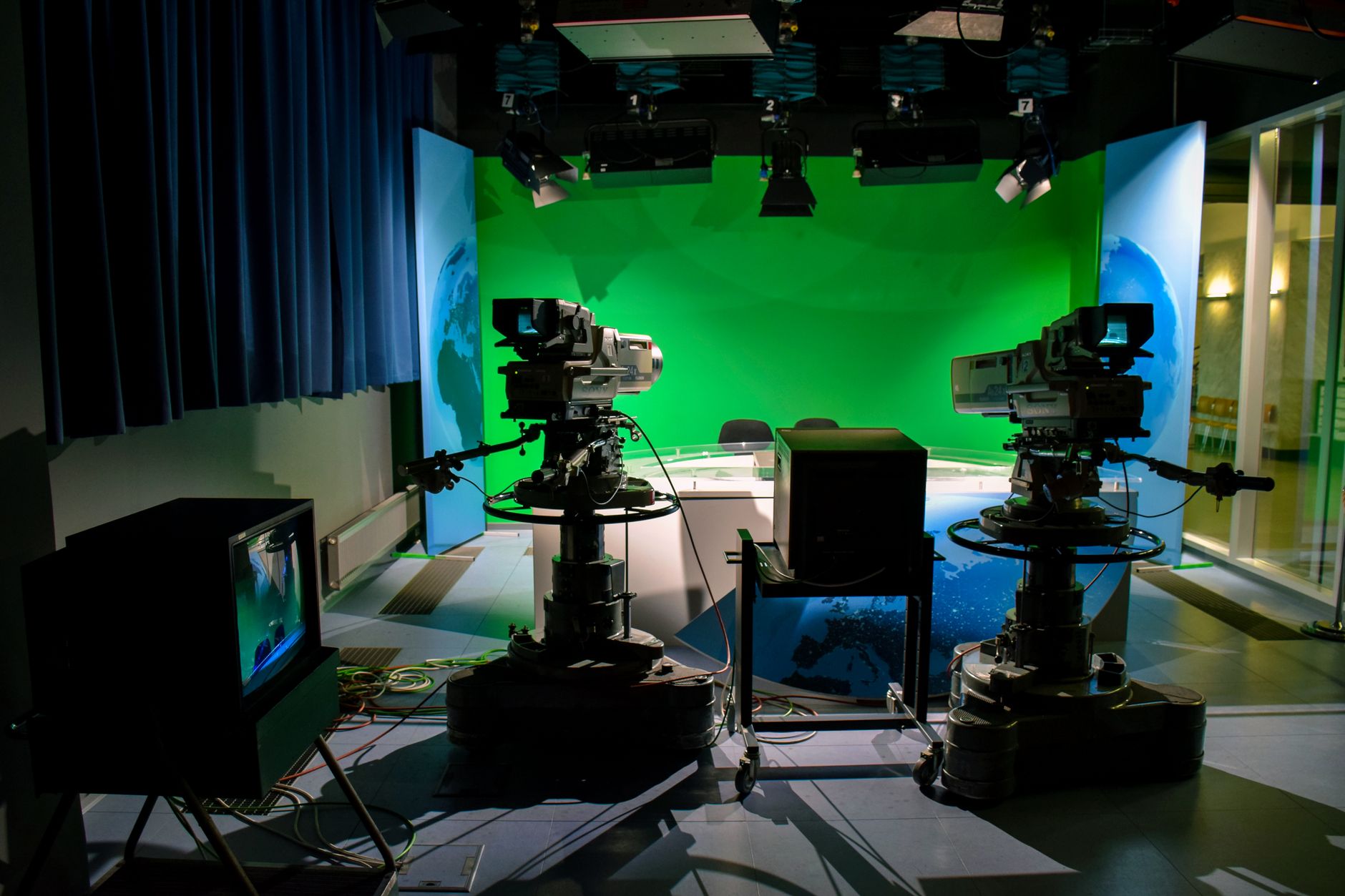
Most Kickstarter videos I watch as a backer make the same mistake in the first 10 seconds. Long logo animation, cinematic drone shot, moody piano, founder walks into frame. By the time the product finally shows up, half the audience has scrolled on. If you want a Kickstarter video that converts, the honest answer is you have to unlearn most of what a film-school portfolio video looks like.
I’ve helped launch enough campaigns as an official Kickstarter Expert Partner to notice the pattern. The videos that pull pledges aren’t the prettiest. They’re the ones that answer three questions fast: what is it, who’s it for, and why should I care right now. Everything else is decoration.
Here’s the thing. Kickstarter’s own guidance for years has been that projects with a video fund at a meaningfully higher rate than those without. So this isn’t optional. But there’s a huge gap between “has a video” and “has a video that works”, and most founders sit firmly in the first camp.
The 90-second video beats the 3-minute one
The old advice was 2 to 3 minutes. That was fine when Kickstarter was mostly niche gadget hobbyists in 2014. It’s not fine now.
Reported completion rates for Kickstarter videos sit around a third of viewers on average, and drop-off is steepest in the first 15 seconds. Push much past 3 minutes and you’re talking to a shrinking audience about a product they’ve already half decided not to buy. Every extra second is a chance for someone to close the tab.
My default recommendation is between 90 seconds and 2 minutes 30. If the product is genuinely complex hardware, you can push to 3 minutes but you’d better earn every extra second with actual demonstration, not vibes. If it’s a game, a lifestyle product, or anything visual, 90 seconds is often enough.
The one exception: if your product needs a demo that only makes sense over time, cut a second, shorter promo video that lives above the fold on your social ads and pre-launch page. Save the longer version for the campaign page itself.
What actually goes in the first 5 seconds
This is the bit that decides everything. If your first 5 seconds are a logo, a black cut, or you saying “Hi, I’m Sarah”, the video has already failed.
The opening should show the product doing the thing it does. Not the packaging. Not the founder. The thing. If it’s a camping stove, show flame. If it’s a board game, show hands playing. If it’s a bag, show it being packed. Fast, real, punchy.
Then, roughly seconds 5 to 20, you get to say what it is in one sentence, name a specific problem it solves, and land the visual hook. The founder can appear now, briefly, to give the “why does this exist” moment. But even then, keep it short and get back to the product.
Most Kickstarter videos I audit have this backwards. Twenty seconds of founder story, then a product reveal. That’s a documentary. A campaign video is closer to an ad.
Make it work with the sound off
Kickstarter’s video player autoplays muted on the project page. So does every social ad you’ll run to drive traffic to it. The widely-cited Digiday reporting on Facebook video pegged silent viewership at around 85% back when the platform first admitted publishers were seeing that. Kickstarter isn’t Facebook, but the muscle memory is the same: people scroll, videos start silent, decisions get made in seconds.
Which means captions aren’t optional. Burn them in. Not the auto-generated ones, either, the ones a human has actually written and placed properly.
More importantly, the visual story has to hold up alone. If someone watches your entire video with no sound, do they know what the product is, what problem it solves, and roughly how it works? If the answer is no, the video isn’t finished.
This is the single biggest reason talking-head-heavy videos underperform. A person talking to camera with no audio is just a person moving their mouth. It communicates nothing. A hand assembling the product, or someone using it in context, communicates everything.
Audio quality matters more than image quality
Counter-intuitive but I’ll die on this hill. When people do turn the sound on, bad audio makes them leave faster than mediocre visuals do.
A slightly grainy shot of a real product used in a real kitchen with clean voiceover will out-convert a crisp 4K product-on-white shot with hollow room audio. Bad audio reads as “this is amateur, I don’t trust these people to ship in April”. Grainy footage reads as “this is authentic”.
If you’re doing a DIY video, spend the money on a lav mic and record voiceover in the quietest room in your house with a duvet over your head. Everything else you can film on an iPhone. If you get one thing wrong, don’t get the audio wrong.
The three real budget tiers
Founders ask me all the time what a good Kickstarter video costs. Here’s how I actually break it down.
Under £500 - the DIY tier. Phone, natural light, lav mic, iMovie or CapCut. Works for well-designed products where the founder is comfortable on camera and the visual demo is straightforward. Board games, apparel, simple accessories. Plenty of funded campaigns started here.
£2,000 to £5,000 - the freelance tier. One or two people, one shoot day, licensed music, proper edit. This is where most sensible mid-tier campaigns land. Enough production value to feel serious, no waste on things backers don’t care about. My companion piece on Kickstarter video on a budget has the tier-by-tier breakdown of who to hire and what to actually get for the money.
£8,000 and up - the premium tier. Full crew, actors if needed, motion graphics, colour grade, sometimes multiple locations. Worth it if you’re aiming for a six-figure raise on a physical product where the demo needs polish, or you’re going to run heavy paid ads and need creative that holds up on Meta.
The number I never recommend: £15,000 on a video for a campaign with a £30,000 goal. If your video budget is more than 10% of your funding target, something’s wrong. Either your goal is too low, or you’re being sold something.
Where my £3,000 Kickstarter video build sits
Full disclosure since it’s relevant. I run a Kickstarter video service at £3,000 flat. Script and creative direction from me (someone who’s spent years watching what actually converts on this platform), filmed and edited by a vetted partner videographer.
Most agencies quoting on a proper Kickstarter video land between £5,000 and £8,000. Some push past £10,000 for the same deliverable. Not because the extra £2-5,000 buys better footage. It buys their overheads.
The £3,000 price sits at the point where you’re getting real Kickstarter craft (script, structure, first-5-seconds discipline, tier reveal at the end) without paying agency-scale margin on top. It’s not the cheapest way to get a video made. It is, in my honest opinion, the cheapest way to get a Kickstarter video that actually pulls pledges. If you want to see what’s included and how it compares to going full agency, the video service page has the full breakdown.
Wondering if a fancy video would actually pay back? My £60 strategy call is the fastest sanity check before you sign a production contract you’ll regret.
The mistakes I see over and over
I’ve watched enough Kickstarter videos to spot the patterns. In no particular order:
The 10-second logo animation at the front. Nobody backs a project because of a nice logo whoosh, and every second you spend on it is a second you lost to the drop-off cliff.
The founder story opener. Your story matters, but it goes in the middle, not the top. Product first, human second.
Overly emotional string score. This works for charity campaigns. For a consumer product, it feels manipulative. Backers know when they’re being played.
No captions. Still, in 2026. It’s staggering.
Talking straight to camera for 90% of the runtime. If I can’t see the product being used, I don’t know what I’m buying.
Skipping the pricing/tier reveal at the end. The last 10 seconds should tell people what the reward is and remind them of the special early-bird price. Kickstarter buyers are shoppers, not viewers. Give them the shopping cue. And whatever tier you show, make sure the thumbnail image the video sits behind is doing its own job, because that’s the frame most viewers actually see first.
The video that’s clearly cut from a longer YouTube launch trailer. Different audience, different context, different intent. Redo it.
Where the video lives, and what the platform accepts
Kickstarter accepts project videos up to 5GB in size, in most common formats: MP4, MOV, MPEG, AVI, 3GP, FLV and WMV, per their own help docs. MP4 with H.264 is the practical safe choice.
Kickstarter re-encodes what you upload down to 640x360 for the on-page player, but keep your master 16:9 and at least 1080p, ideally 4K, so it holds up when they compress it and when you cut it down for ads later. Anything under 720p will look genuinely bad on the platform, so don’t push below it.
Also worth knowing: the video you upload to Kickstarter and the video you run on Meta ads should be different cuts. Kickstarter can handle a 2-minute story. A cold Meta ad has about 3 seconds to earn attention. Plan for both from the start, not as an afterthought.
The turn
Here’s what I’ve come to think after enough of these. The Kickstarter video isn’t a film. It’s a shop window with a soundtrack. Its only job is to get the scroller to stop scrolling and read the campaign page. Everything you do to it, every second of runtime, every camera choice, every music decision, should serve that one goal.
The founders who over-polish their videos are usually the ones who confuse “professional-looking” with “converting”. Those aren’t the same thing. Sometimes the £800 iPhone video with a great hook out-converts the £12,000 cinematic piece by a factor of three, and I’ve seen it happen.
Make it short. Make it visual. Make it work silent. And whatever you do, don’t open with your logo.
Want a hand with yours?
If you’re staring at a rough cut wondering whether it works, or trying to decide between DIY and paying someone, that’s exactly what my £60 strategy call is built for. Twenty minutes, I watch the video, give you the honest read on what’s working and what’s not before you spend a penny more.
If you want it built properly rather than DIY’d, my £3,000 Kickstarter video service is script and creative direction from me plus a vetted partner videographer. Same output as an £8,000 agency job for a fraction of the raise. The done-for-you campaign package includes video direction as part of the full launch build if you want the whole thing handled. And if you want to sanity-check the whole plan first, the should-I-Kickstart quiz is free and takes 90 seconds.
Video is the single asset that does the most selling on your campaign page. Worth getting a second pair of eyes on it before it goes live.
Frequently asked questions
How long should a Kickstarter video be? +
Between 90 seconds and 2 minutes 30 for most products. Kickstarter's own analytics have shown for years that average completion rates hover around a third of viewers, and most drop off long before the 3-minute mark. If you can show the product doing its thing in 90 seconds, do it in 90 seconds. Complex hardware might justify a bit longer, but almost nothing needs the full 3 minutes.
How much does a Kickstarter video cost? +
Roughly three tiers. DIY on a phone or borrowed kit runs under £500. A solid indie freelancer or small team is £2,000 to £5,000. A premium agency-produced video with a proper crew, actors and post is £8,000 upwards, sometimes deep into five figures. What you spend matters far less than whether the video sells the product in the first 5 seconds.
Does a Kickstarter video actually matter? +
Yes, and probably more than any other single asset on the page. Kickstarter's own guidance is that projects with a video succeed at a meaningfully higher rate than those without. The video is often the only thing a scroller watches before deciding whether to keep reading, so it does most of the selling in the first 30 seconds.
What file format and size does Kickstarter accept? +
Project videos can be up to 5GB. Accepted formats include MP4, MOV, MPEG, AVI, 3GP, FLV and WMV. MP4 with H.264 encoding is the safe recommendation. Kickstarter re-encodes what you upload down to a 640x360 display copy, so keep your master 16:9 and at least 1080p so it looks sharp when the platform compresses it.
Do I need a talking-head founder shot? +
You don't need to open with one, and honestly, most campaigns shouldn't. The version that converts leads with product-in-use, then brings in the founder briefly to explain why this thing exists. If you open with 20 seconds of you sitting on a stool talking about your journey, people leave before they see the product.