
Is Kickstarter free money? An honest answer with the maths
Short answer: No, Kickstarter is not free money. After the 5% platform fee, payment processing, VAT if you're registered, fulfilment costs and tax, founders typically keep 20-35% of the raise.
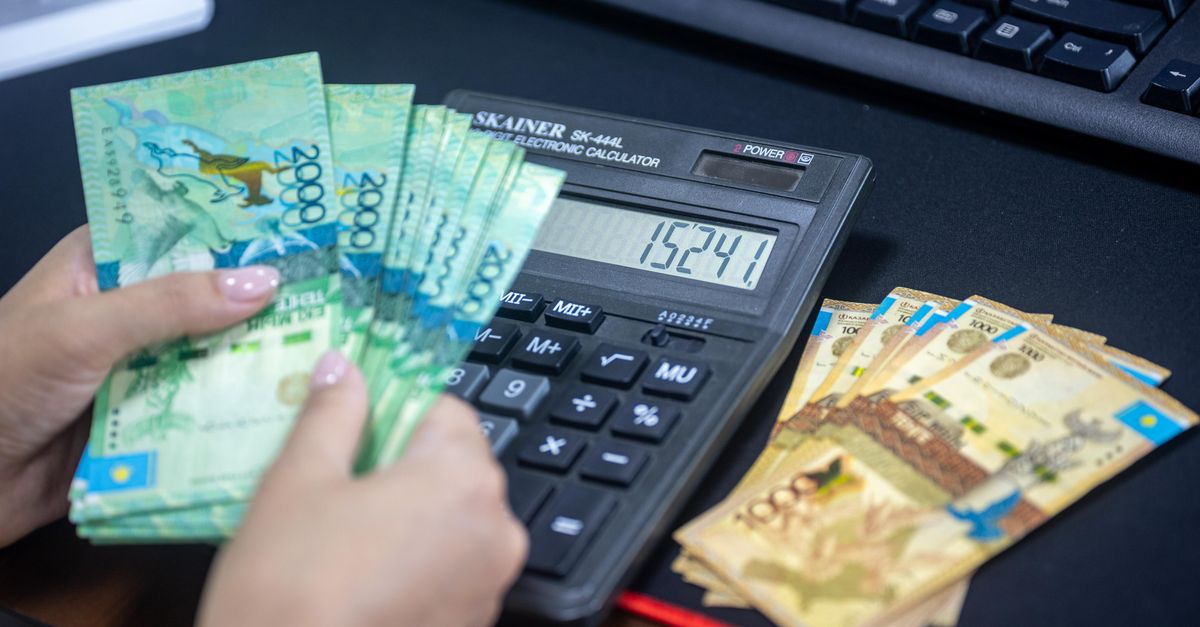
No, Kickstarter is not free money. Backers pledge money you have to spend fulfilling their rewards, and after fees, VAT and fulfilment costs you typically keep 20-35% of your raise as gross margin, then pay tax on top of that. It’s real revenue with real costs and real tax obligations, not a gift from the internet.
I get this question all the time, usually from first-time founders who’ve watched a “£1 million Kickstarter” headline and done the mental maths at “£1 million pure profit”. As an official Kickstarter Expert Partner, I’ve walked enough founders through this reality check that I now have the numbers off by heart. Let me show you the maths on a £50,000 raise so you can see exactly where the money goes.
Why it feels like free money
Kickstarter presents your pledge total as one big shiny number. Backers hit the button, the counter ticks up, and there’s a genuine dopamine hit when it clears your goal.
That number is misleading. It’s your top-line revenue, not your bank balance. Same as a Shopify store showing “£50,000 in orders” doesn’t mean the founder is £50,000 richer. There’s a stack of costs sitting between “raised” and “kept”.
The other reason it feels like free money is that it’s not a loan. There’s no repayment schedule, no interest, no bank calling you in six months. So the mental model people default to is “gift” instead of “revenue”. Wrong model. It’s revenue.
The maths on a £50,000 Kickstarter raise
Here’s what actually happens to the money on a typical UK hardware or physical-product campaign that raises £50,000. I’ve built a full fee breakdown with a calculator if you want to plug in your own numbers, but this walkthrough uses round figures so the logic is clear.
| Line item | Amount | Running total |
|---|---|---|
| Gross raise | £50,000 | £50,000 |
| Kickstarter platform fee (5%) | -£2,500 | £47,500 |
| Stripe payment processing (~4%) | -£2,000 | £45,500 |
| VAT owed on rewards (20/120 of gross, if VAT registered) | -£8,333 | £37,167 |
| Fulfilment: product cost + packaging + shipping (~50% of gross) | -£25,000 | £12,167 |
| Gross profit before founder tax | £12,167 | £12,167 |
| Corporation tax on profit (19% for small companies) | -£2,312 | £9,855 |
| Take-home after everything | ~£9,855 |
That’s roughly 20% of the top-line raise landing in the company’s bank account as retained profit, before you’ve paid yourself a salary.
If you’re not VAT registered because you’re under the £90,000 threshold, the VAT line disappears and take-home jumps to around £16,000-£18,000 depending on fulfilment costs. If your fulfilment is closer to 40% of gross rather than 50%, you keep more. If shipping is a nightmare (looking at you, heavy or bulky products), you keep less.
Nobody puts this in the launch guides. Fair enough, “raise £50,000 and keep £9,855” doesn’t fit the marketing.
The fees, in plain English
The 5% Kickstarter platform fee is easy. It only applies if you fund. Kickstarter is all-or-nothing, so if you miss goal, backers aren’t charged, and neither are you. Hit goal and 5% of the total pledged comes off the top.
Payment processing is where it gets fiddly. Stripe handles Kickstarter payments and charges roughly 3-5% depending on card type, country, and pledge size. Small pledges hurt more because the fixed per-transaction fee is a bigger slice of a £15 pledge than a £250 one. Budget for 4% and you’ll be close.
So before you’ve thought about a product, you’re down 8-10% of the top line. That’s the “just for existing on Kickstarter” tax. It’s fine, but it’s real.
VAT: the line item nobody sees coming
This one blindsides more UK founders than anything else. If your business is VAT registered (mandatory over £90,000 turnover, sometimes voluntary below), the rewards you deliver to backers are taxable supplies. That means 20% VAT is baked into every pledge.
Backer pledges £120 for the reward. £100 is the ex-VAT price, £20 is VAT that HMRC will want. On a £50,000 raise that’s £8,333 vanishing to HMRC. I’ve written a longer breakdown of VAT on Kickstarter rewards for UK and EU founders because it’s the single biggest surprise cost I see people miss.
The gotcha: your Kickstarter pledge prices are what backers see, so if you didn’t price with VAT included, you’re paying VAT out of your own margin. Founders who priced their £120 reward assuming they’d keep £120 have just handed £20 to HMRC and lost 17% of their per-unit revenue.
If you’re below the £90,000 threshold and not voluntarily registered, this line doesn’t apply. But most hardware campaigns that raise anything meaningful cross that threshold quickly.
Stuck on the pricing maths for your own raise? My £60 strategy call is the quickest way to sanity-check your numbers before you set your funding goal and lock in reward prices you can’t change.
Fulfilment: the biggest cost by far
This is the line that eats you alive if you priced wrong. Fulfilment covers the cost of goods sold (COGS), meaning the actual manufacturing cost, plus packaging, plus shipping to backers, plus platform fees for reward management tools like BackerKit or Gamefound if you use them.
Industry norm for physical products is 40-60% of the gross raise going to fulfilment. Hardware and heavy items push toward 60%. Simpler items like books, prints, or small accessories can come in at 30-40%. Chapter 1 of my free book covers “should you even launch” and walks through the pricing maths before you commit.
If your fulfilment is over 60% of the raise, you’re subsidising your backers with your own money. That happens more than you’d think. Founders price the reward at what they hope backers will pay, not at what the unit actually costs to make, ship and deliver. Then they wonder why the “successful” campaign left them broke.
I’ve seen campaigns that funded at 200% of goal go bankrupt during fulfilment. It’s not rare. If you want the specifics, I wrote a piece on why Kickstarter campaigns fail that covers the post-funding collapse pattern.
The tax bill nobody warns you about
HMRC doesn’t care that Kickstarter feels like a gift. If you’re a UK limited company, your Kickstarter raise is trading income. It gets recorded as revenue in your accounts in the tax year the campaign funded (or when the pledges cleared, depending on your accounting method). Talk to an accountant.
You pay corporation tax on the profit. Currently 19% for small companies under £50,000 profit, sliding up to 25% for larger companies. If you’re a sole trader, it’s income tax at your marginal rate plus National Insurance, which can hit 40% or more if you’re already earning elsewhere.
Then, if you want the money out of the limited company and into your personal account, you pay dividend tax or PAYE income tax on top. Money leaves you twice.
None of this makes Kickstarter a bad idea. It just means you need to plan for tax the same way you’d plan for tax on any other business revenue. Set aside 20-25% of gross profit for corporation tax from day one.
So is it worth it?
Yes, mostly. Kickstarter is still the fastest way I know for a first-time founder with no distribution to get a product into 500-5,000 people’s hands and generate the capital to manufacture it. You can’t do that with a Shopify pre-order because nobody will buy from a store nobody’s heard of.
But going in thinking it’s free money is how you end up funding a campaign, delivering the product late because you underpriced fulfilment, and closing the business six months later. Going in with the maths in front of you is how you build something that lasts.
If you want the full playbook on what to launch, when, and at what pricing, I put the deeper strategy work into my coaching and done-for-you options at /#products. Or read the free chapter of the book first and see if the maths still makes sense for your product.
Key takeaways
- Kickstarter is pre-order revenue, not free money. You owe backers the reward they pledged for.
- Kickstarter takes 5% platform fee, Stripe takes ~4%, so ~9% is gone before you start.
- If UK VAT registered, 20/120 of the gross raise (~16.7%) goes to HMRC as VAT.
- Fulfilment (product, packaging, shipping) typically eats 40-60% of the top-line raise.
- On a £50,000 UK raise, founders typically keep £10,000-£18,000 as gross profit before tax.
- Corporation tax or income tax then applies on top. Set aside 20-25% for HMRC.
Want a hand with yours?
If you’re staring at a spreadsheet trying to work out whether your product can survive Kickstarter’s fee-and-fulfilment gauntlet, get a second pair of eyes on it before you launch. My £60 strategy call is the fastest way to sanity-check your numbers, funding goal and reward pricing before you commit publicly. Better to find the problem now than during fulfilment when it’s already cost you £25,000.
Frequently asked questions
Is Kickstarter really free money? +
No. Backers pledge in exchange for a reward you have to design, manufacture, package and ship. It's pre-order revenue, not a gift. After Kickstarter's fees, payment processing, VAT if you're VAT-registered, and the cost of actually fulfilling the rewards, most founders keep 20-35% of the top-line raise as gross margin before tax.
Do I have to pay back Kickstarter? +
You don't pay Kickstarter itself back, it's not a loan. But you do owe every backer the reward they pledged for. If you don't deliver, they can (and do) chase refunds via Kickstarter's dispute process, small claims, or their card provider. So while it's not debt in the accounting sense, it's a legal obligation to a few hundred or few thousand people at once.
How much of my Kickstarter raise do I actually keep? +
On a typical hardware or product campaign, roughly 20-35% of the gross raise ends up as gross margin before you pay yourself or the taxman. On a £50,000 raise that's around £10,000-£17,500 to cover salary, tax and any margin. Software or digital-only campaigns keep more because they don't have physical fulfilment costs.
Do you pay tax on Kickstarter money? +
Yes. HMRC treats a Kickstarter raise as trading income if you're delivering a product or service to backers. It's revenue in your business's accounts and gets taxed like any other revenue after costs. If you're a UK limited company, that means corporation tax on the profit. If you're a sole trader, it's income tax and National Insurance.
What percentage does Kickstarter take? +
Kickstarter takes 5% of the total funds raised as its platform fee, only if the campaign hits its funding goal. On top of that, Stripe processes the payments and typically charges around 3-5% depending on the card and country. So expect to lose 8-10% of the top line before you've done anything else.