
Should You Delay Your Kickstarter Launch? How to Decide
Short answer: Delay your Kickstarter launch if what isn't ready would cost you day-one pledges. A delay rarely damages a campaign; handling it badly does. Tell your list early, show evidence, move the date once.
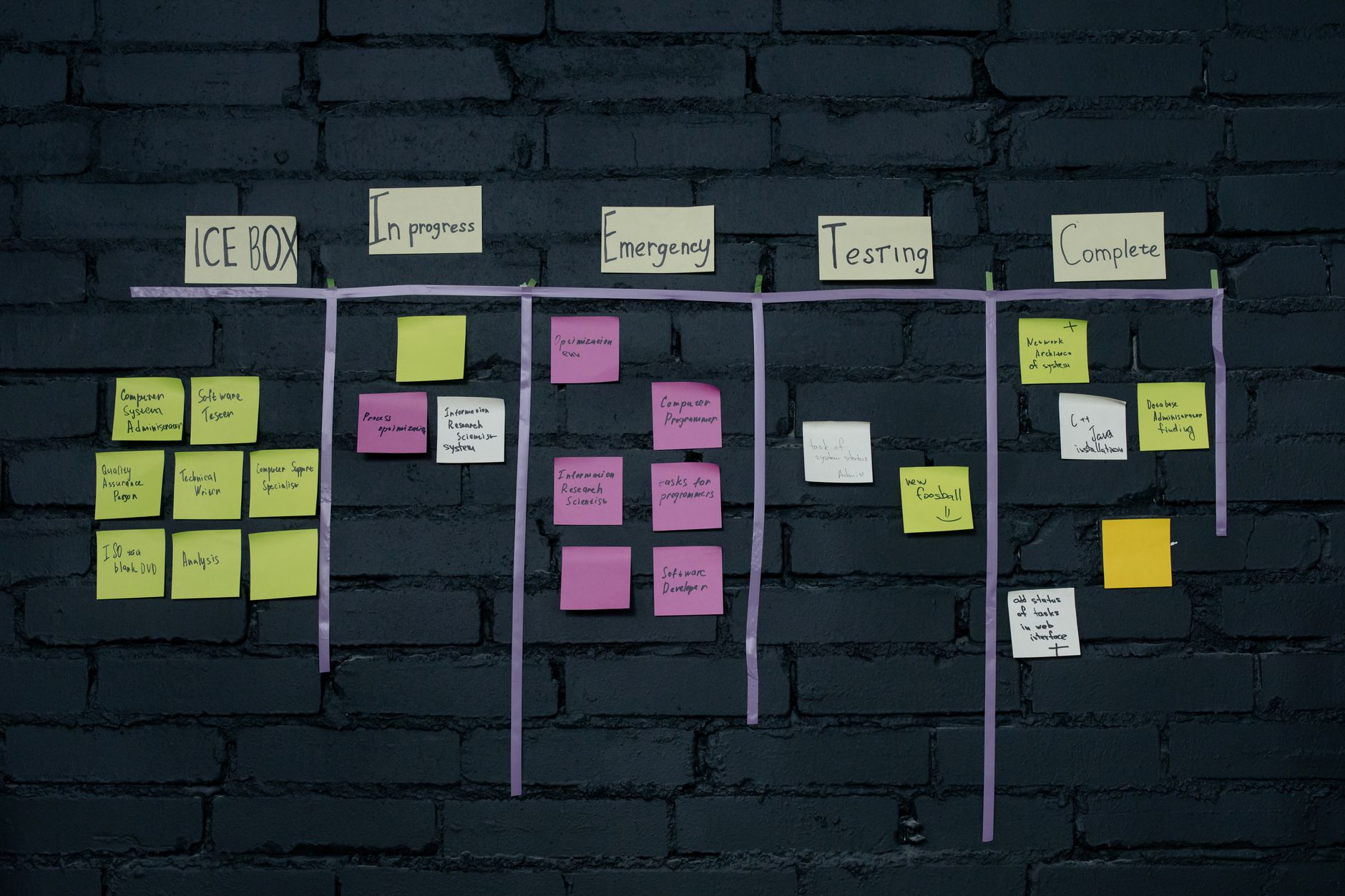
There is no launch date on Kickstarter. There’s a button, and you press it when you press it.
Kickstarter’s own help pages are blunt about this: launching is a manual process and you cannot schedule an automatic launch for a predetermined date. Once your project is approved, you go live when you click the thing.
So the date in your calendar was never a platform deadline. It’s a promise you made to a list of people, which means that when you delay your Kickstarter launch you aren’t breaking a rule, you’re renegotiating a promise. Those are very different problems with very different fixes. I’m an official Kickstarter Expert Partner, and the delay conversation comes up more often than almost anything else in the four weeks before a launch.
Should you delay your Kickstarter launch?
Most founders ask themselves “am I ready”, get a queasy feeling, and then either panic-delay or panic-launch depending on temperament.
It’s the wrong question, because nobody is ever ready. The better one is narrower: is the thing that isn’t ready something that costs me pledges on day one?
Day one is the only day of your campaign that behaves differently from the others. It’s the one day your whole warmed list arrives at the same time, with the algorithm watching. Everything that converts that traffic has to be finished. Everything else is just work you’ll do next week with the campaign already live.
So sort your list of unfinished things into two piles before you touch the date.

The things that genuinely must be ready
Three of them, and a bit of admin.
A working prototype, and real photographs of it. For hardware and product design this isn’t a preference, it’s the gate. A project with only renders and no real photography doesn’t get through review, so there’s nothing to decide: you’re launching late whether you choose to or not. The detail of what Kickstarter’s render rules actually say is worth ten minutes if you’re anywhere near that line.
The campaign page and the video. These are the conversion machine. A half-finished page on day one doesn’t cost you a bit of polish, it costs you the pledges from the only audience that was ever going to show up pre-warmed.
The list, and a goal sized to what the list can clear. If your goal is £30,000 and your list will realistically bring £4,000, launching on time means spending three weeks at 13% in public. That isn’t a slow start, it’s the most common way campaigns fail and no amount of mid-campaign effort fully undoes it.
Then the admin nobody schedules: eligibility, bank details, ID, and the campaign currency you can never change once the project is created. Those belong in week one, and they’re the reason more dates move than any creative problem. I’ve set out the order these things have to happen in elsewhere, because the sequence is what slips launches, not the workload.
If you want a second opinion that isn’t your own 11pm judgement, the launch readiness check scores where you are against where you need to be. It’s deliberately written to talk some people out of launching.
The things you can fix while you’re live
This pile is bigger than founders think, and it’s where most unnecessary delays come from.
- Stretch goals, which you’ll design better once you can see how people are actually pledging
- The FAQ section, which should be built from real backer questions anyway
- Extra page sections, comparison tables, lifestyle shots
- New reward tiers added as the campaign runs, though don’t count on editing a tier that already has backers
- Ad creative, press outreach, cross-promotion swaps, your update cadence
None of that is an argument for launching sloppily. It’s an argument against moving your date for a second colourway, a nicer box, or a thousand more Instagram followers. If the unfinished thing lives in this pile, finish it in week two with money already coming in.

A delay isn’t free either
Here’s where I’d push back on the “just take another two months” advice, which gets handed out as though delay costs nothing.
A warm list cools. Those people signed up because they wanted the thing soon. Eight weeks of silence turns an eager subscriber into someone who can’t quite remember what your product was called.
Your ad account goes stale with it. Audiences drift, creative that was working stops working, and you often end up paying again to rebuild the thing you’d already bought. If you’ve been running pre-launch ads, a long delay means re-testing, not resuming.
And your own runway shrinks. The money you’re spending while not launching is real, and I’ve watched founders delay their way into a corner where they had to launch underprepared because they’d run out of room. The irony writes itself.
So the honest framing is that delay is a purchase. You’re buying a prototype, a finished page or a bigger list, and you’re paying for it in list temperature, ad momentum and cash. Usually worth it. Never free.
Stuck between the two? A £60 strategy call is an hour on your actual campaign, and “move it or launch it” is one of the cheaper questions to get right before you spend another month either way.

How to tell your list: three rules
This is the part that actually determines whether a delay hurts you, and almost nobody plans it.
1. Tell them the day you know. Not the week before the date you’re about to miss. Founders sit on bad news hoping it resolves, and the resolution never arrives on schedule. Early looks like control; late looks like you were hoping nobody would notice.
2. Give the real reason, and photograph it. This is the single highest-leverage thing in the whole post. A picture of the wrong sample next to the right one does more than four paragraphs of apology, because it proves the delay is about quality rather than chaos. The failed moulding, the colour that came back off, the hinge that broke in testing. Show it.
3. Name a new date, and move it once at most. Vagueness is worse than bad news. “Early next year” tells your list you’ve lost control of the schedule, and that’s a much more damaging message than “9 February”. Then pick a date with slack in it, because the second slip is the one that costs you. One honest delay with evidence is forgivable. Three aren’t.
Nothing in that list requires you to be sorry twice. Say what happened, show it, give the date, carry on.
Keep emailing while you wait
A delay announcement followed by silence reads as abandonment, and it’s the most common way a recoverable delay turns into a dead list.
Email every ten to fourteen days until you launch. It doesn’t need to be polished. The corrected sample arriving, the factory floor, the page you rewrote, the decision you changed your mind on. Build-in-public content is easier to write than marketing content and it works better, because the people on your list are already interested in the outcome.
This is where a proper pre-launch email sequence earns its keep: if the arc is already written, a delay means inserting an honest update and shifting everything right, rather than inventing a plan while feeling terrible. My fourteen-email pre-launch sequence is £49 and includes the delay announcement, because nearly every campaign needs it eventually.
What I’d actually do
Delay for the prototype, the page or the list. Launch on time for anything else.
Then over-communicate in exactly the way your instinct tells you not to. The founders who get hurt by delays are almost never the ones who delayed for a good reason. They’re the ones who went quiet for five weeks and then reappeared with an apology and no photographs.
One more thing worth saying, since it’s the uncomfortable version of this advice. If you’re delaying for the third time, the problem usually isn’t the date. It’s that the plan was never anchored to real dependencies in the first place, which is what a twelve-week pre-launch timeline exists to prevent.
Key takeaways
- Kickstarter launches are manual; no date is scheduled, so no platform penalty applies to delaying.
- Delay only if the unfinished thing would cost you pledges on day one.
- Prototype, campaign page and list are launch-critical. Stretch goals and FAQs are not.
- Announce the delay the day you know it, never the week before the missed date.
- Photograph the real reason. Evidence beats apology, every time.
- Name one new date with slack in it, and move it once at most.
- Delay costs you list warmth, ad momentum and cash. It isn’t free.
- Email every ten to fourteen days while you wait, or the list treats it as abandonment.
Want a hand with yours?
If you’re staring at a date you’re not going to make, that’s an hour of conversation, not a crisis.
Book a £60 strategy call and we’ll work out whether the date moves and what you send your list if it does. If you’d rather have someone on the whole run-up to launch, the coaching and done-for-you options are on the home page, and the £750 coaching programme includes a full pre-launch web page build at no extra cost.
Frequently asked questions
Does delaying a Kickstarter launch hurt your campaign? +
Rarely on its own. Nothing on the platform penalises a moved date, because launching is manual and Kickstarter's help pages state you cannot schedule an automatic launch for a set day. The damage comes from the handling: a vague delay announced the week before the old date, then moved again, is what costs you pledges.
How do I tell my email list I'm delaying the launch? +
The day you know, not the week before the date you're about to miss. Give the real reason, show a photograph of the problem, and name one new date. A list will forgive one honest delay with evidence attached; it won't forgive three vague ones.
Should I launch with an unfinished campaign page or delay? +
Delay. The page, the video and the list are the three things that must be right before you press launch, because they do the converting on the only day your warmest traffic ever arrives at once. Stretch goals, the FAQ section and extra graphics can all be added while you're live.
How long can I delay a Kickstarter launch before my list goes cold? +
A few weeks is comfortable, a few months costs you real pledges. The deciding factor isn't the length of the delay, it's whether you kept emailing: a list that hears from you every ten to fourteen days survives a quarter, and one that hears nothing is gone in a month.
Can I change the launch date on my Kickstarter pre-launch page? +
Yes, because the date isn't a platform setting. Your pre-launch page carries a follow button and whatever text you wrote on it, so moving the date means editing your own copy and emailing your list. Kickstarter's help centre says that once a project is approved you launch whenever you're ready.