
Kickstarter video on a budget: what to shoot, what to skip
Short answer: A Kickstarter video on a budget doesn't have to look cheap. Honest breakdown of what £500, £2k and £5k actually get you, and what to skip.
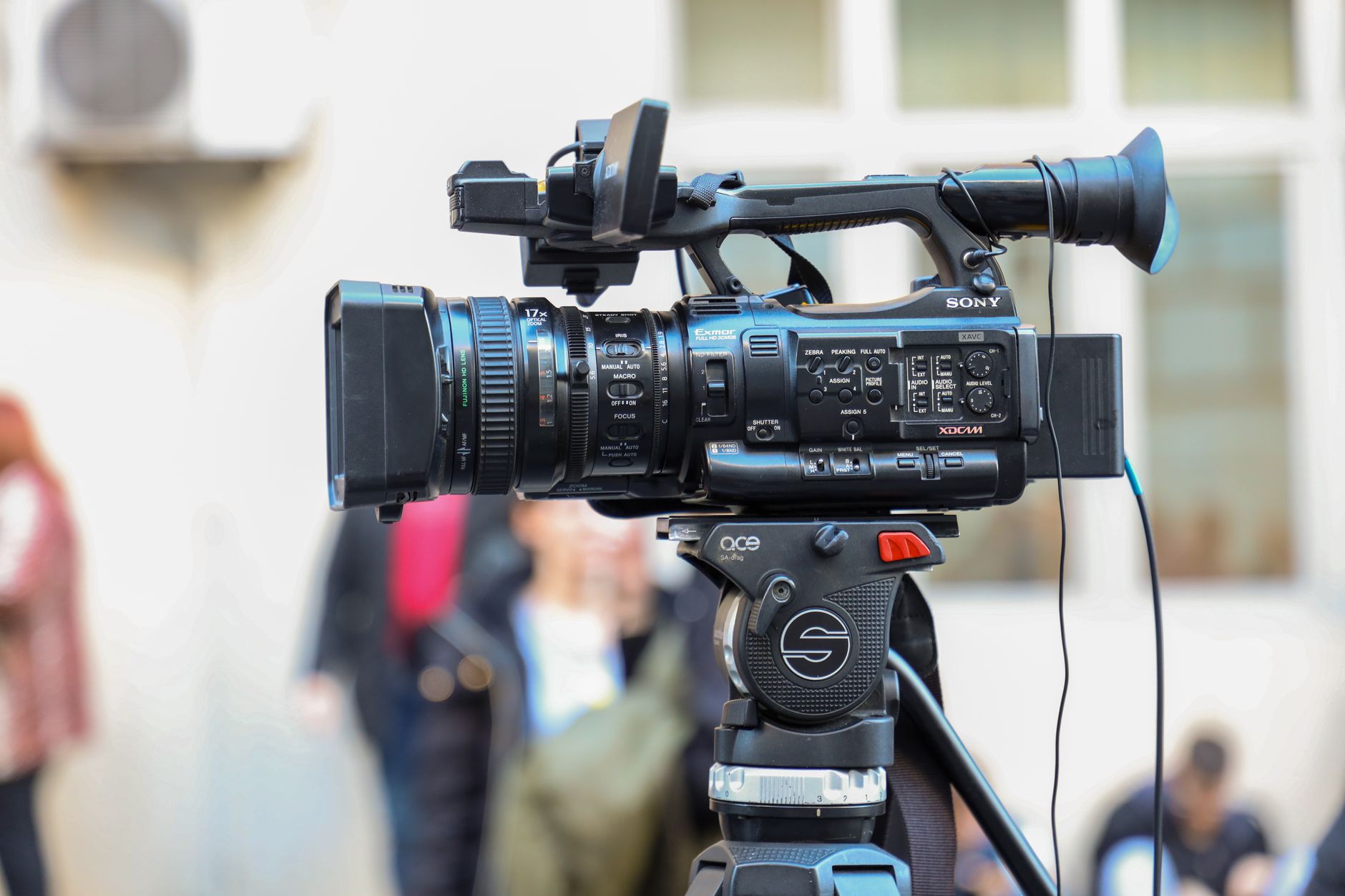
The first Kickstarter video I made for my own launch was overbuilt. Two shoot days, three locations, a musician friend scoring the piano bit, and a colour grade that made everything look like a car advert. The video that eventually converted was a recut version half the length with a clearer opening. Same footage, different edit, better result.
That’s the honest bit most founders miss when they’re pricing up a Kickstarter video on a budget. The number on the invoice is almost never the thing that decides whether it works. I’ve helped enough campaigns through this stage as an official Kickstarter Expert Partner to notice the same pattern over and over. Founders overspend on the wrong bits, underspend on the right bits, and end up with something that looks lovely and sells nothing.
So here’s what actually happens at each budget tier, what to expect, and where to save the money without the video looking like a bad Zoom call.
What founders overspend on
Before we get to tiers, the money-pit list. These are the line items that eat budgets and don’t move a single pledge.
Drone shots. Nobody has ever pledged £120 to a Kickstarter because the establishing aerial of the founder’s neighbourhood was cinematic. Cut it.
Founder-walking-through-warehouse b-roll. Or founder-walking-into-workshop. Or founder-thoughtfully-holding-prototype-by-window. The “wistful founder” shot is a genre now and it never sells product.
Two-day shoots when one would do. Most product videos need one focused shoot day with a shot list. A second day usually gets added because someone said “and while we’re at it, let’s grab some lifestyle stuff”, and the lifestyle stuff doesn’t make the final cut.
Expensive colour grading. A basic grade is fine. A full cinema-style pass costs hundreds and nobody watching on a phone with the sound off notices.
Original music. Licensed tracks from Artlist or Musicbed are £15 to £30. Spending £600 on a bespoke score is founder vanity.
If you cut those five, you’ve probably saved yourself £1,500 to £3,000 depending on your producer. Now let’s talk about what to actually spend.
The £500 tier: DIY, and honestly fine for some products
If your product is visual and demonstrable, and you’re not shy on camera, you can produce a Kickstarter video for under £500 that outperforms a lot of £3k jobs. I’ve seen it done.
What you’re spending money on: a decent clip-on mic (£80 to £150, a Rode Wireless GO or similar), a tripod (£40), a bit of soft box lighting (£120 for a two-light set), and either a Fiverr editor (£150 to £300) or a course you actually finish and edit it yourself.
What you’re using: your phone. iPhones from the last three years and any decent Pixel or Samsung shoot better video than the DSLRs people were charging thousands to bring on set five years ago. Shoot in 4K, lock exposure, film horizontal.
Where this tier fails: complex hardware demos, anything that needs multiple actors, or products that require a controlled studio look. And if you’re the founder and you freeze on camera, no amount of gear fixes that. Get a friend with a friendly voice to do the voiceover instead.
Where this tier wins: apparel, accessories, food and drink, print, board games, home goods, and any product where the demo is basically “watch it work”. The video I made for a friend’s board game campaign cost about £280 including takeaway pizza for the shoot day and pulled 400% funded.
The £2k tier: a good freelancer, and probably where you should be
This is the sweet spot for most product Kickstarters. You’re hiring one experienced videographer-editor who owns their kit, knows the platform, and can turn around a 90-second cut plus a 30-second social version in two to three weeks.
At £2,000 you should expect: a half-day pre-production call to lock the script and shot list, one focused shoot day at a location you provide, a rough cut within a week, one round of revisions, and delivery of the master file plus at least one vertical social cut for pre-launch ads.
Do not expect: multiple actors, a studio hire, drone footage, custom motion graphics, or a bespoke musical score. If any of that turns up in the quote, it’s coming out of the same £2k and something else is getting cheaper as a result.
How to find one: search “product video” on Vimeo Staff Picks and cold email the credits. Look at Kickstarter’s own staff picks and Projects We Love and note which videos actually made you want to buy the product, then find out who edited them. Ask any freelancer for two things: their last three Kickstarter or DTC product videos, and their preferred script length. Anyone who says “3 to 4 minutes” for a product video isn’t paying attention.
If you’re deciding between DIY and hiring out, my £60 strategy call is often the fastest way to work out which side of the line your product sits on before you spend anything.
The £5k tier: only when the product actually needs it
Five grand on a Kickstarter video is a lot of money, and it’s justified less often than founders think. The genuine cases where I’d sign off on it:
Products with a technical demo that requires specialist filming. Slow-motion, macro lensing, tabletop rigs, that sort of thing. A watch, a precision tool, anything with a mechanical hero moment.
Products that need multiple actors or a proper location. Family products, group-use products, anything where the story is the interaction, not the object.
Founders who genuinely cannot appear on camera. If public speaking gives you hives, you may need to hire an on-screen presenter, and that pushes the budget up.
Products with a funding target above about £150k. If you’re aiming to raise that much, a £5k video is 3% of your goal, which is a defensible line. Below £50k target, £5k on the video is proportionally too much.
At this tier you should be getting: a two-day shoot with a small crew (director, camera op, sound), a producer who runs the day, professional lighting, licensed music, motion graphics for any spec callouts, and a full deliverables package including thumbnail options and social cutdowns for your Meta ads budget.
What you’re still not getting for £5k: an ad-agency-level production, celebrity talent, or anything requiring visual effects. That’s £15k territory and, in my experience, almost never worth it for Kickstarter specifically. The platform’s own conversion driver is clarity, not spectacle.
The parts that matter regardless of budget
Whether you spend £300 or £5,000, the same three things decide whether the video works.
The first 8 seconds. Product on screen, product doing its thing, clear visual answer to “what is this”. If your video opens with a logo, a landscape shot, or the founder introducing themselves, you’ve already lost half your audience. This is non-negotiable and free to get right.
The product demo. Somewhere in the middle you need a stretch, usually 20 to 40 seconds, where the product is shown solving the problem it exists to solve. No voiceover fluff, no cutaways to lifestyle b-roll. Just: here it is, here’s what it does. Backers rewind this bit.
One clear ask at the end. “Back us on Kickstarter” plus the campaign end date. Not three CTAs, not a “join our community” pivot, not a Discord link. One ask.
Everything else is optional. Music can be free. Colour grading can be default. The founder can appear for 10 seconds or not at all. Get those three fundamentals right and a phone video will outperform a £5k one that fluffs them.
What you can always skip
To close the loop on the money-pit list from earlier, here’s the “regardless of budget” skip list.
Skip the origin story in the first 30 seconds. Nobody who hasn’t seen the product yet cares why you started. Move it to the campaign page copy where scrollers will actually read it after they’ve decided the product looks interesting.
Skip long testimonials from friends and family. If you have genuine paying customer testimonials, use one, short. Otherwise, cut them entirely.
Skip the “meet the team” montage. Save it for the About section further down the page. It doesn’t belong in the video.
Skip stock footage of manufacturing you didn’t actually shoot. Backers can spot it instantly and it torches your credibility. If you can’t film your real production, don’t fake it, just don’t show it.
Skip anything longer than 2 minutes 30 unless you can honestly say every extra second demonstrates the product. Which almost never means “extra shots of the founder walking”.
If you want a deeper breakdown of what actually converts once you’ve got the video finished, the companion piece on Kickstarter videos that convert covers the structural side. Overspending on video is also one of the 30 expensive Kickstarter mistakes I see most often, so if you’ve been quoted £8k by an agency and something feels off, trust the feeling.
Want a hand with yours?
If you’re staring at three video quotes and not sure which one’s actually right for your product, that’s exactly the kind of thing a £60 strategy call sorts in half an hour. I’ve watched enough of these get overbuilt to spot the fat quickly.
If you’d rather have the whole thing built for you at a sensible price, my Kickstarter video service sits in the £2k to £5k range depending on complexity, and I’ll tell you honestly if you don’t need it. Sometimes the best advice is “shoot it on your phone and email me the cut”.
Frequently asked questions
Can I make a Kickstarter video for under £500? +
Yes, if you already have a decent phone camera, a quiet room, some natural light, and a friend who can hold the thing steady. You'll spend the money on a small clip-on mic, a tripod, and maybe an editor on Fiverr or Upwork to cut it together. The bottleneck won't be gear, it'll be the script and the product demo, both of which are free to get right.
How much should I actually spend on a Kickstarter video? +
For most product campaigns, £2,000 to £5,000 with a solid freelancer is the sweet spot. Under £500 works if you're comfortable directing yourself and the product is visual. Over £5,000 only makes sense when the product genuinely needs specialist filming, actors, or a technical demo you can't fake with a static shot and voiceover. Spending more than that rarely moves the pledge total in proportion.
Do I need a professional videographer for my Kickstarter video? +
Not always. A good indie freelancer at £2k will usually beat a fancy agency package at £8k, because they care about the outcome and you're their whole client, not a line item. What matters is finding someone who's watched a lot of Kickstarter videos, not someone with a wedding showreel. Ask to see product work specifically, not brand films.
What's the biggest waste of money in a Kickstarter video? +
Anything shot from a drone, any founder-walking-through-a-warehouse footage, and every second of cinematic colour grading past the first pass. Backers don't pledge because your video looked expensive. They pledge because they understood the product in the first 15 seconds and wanted one. Spend on script, product shots, and clean audio. Skip the mood board.
Can I reshoot my Kickstarter video after launch? +
You can, and sometimes should. Kickstarter lets you swap the video mid-campaign, and if pledges are stalling, a shorter, tighter recut is one of the fastest levers you have. Most founders don't touch it because they're emotionally attached to the version they filmed. Don't be. If it's not converting, cut a new one from the same footage and try again.