
Kickstarter Fulfilment: What Happens After the Money Lands
Short answer: The 12 months after a Kickstarter funds. Payouts, pledge managers, manufacturing, shipping, refunds.
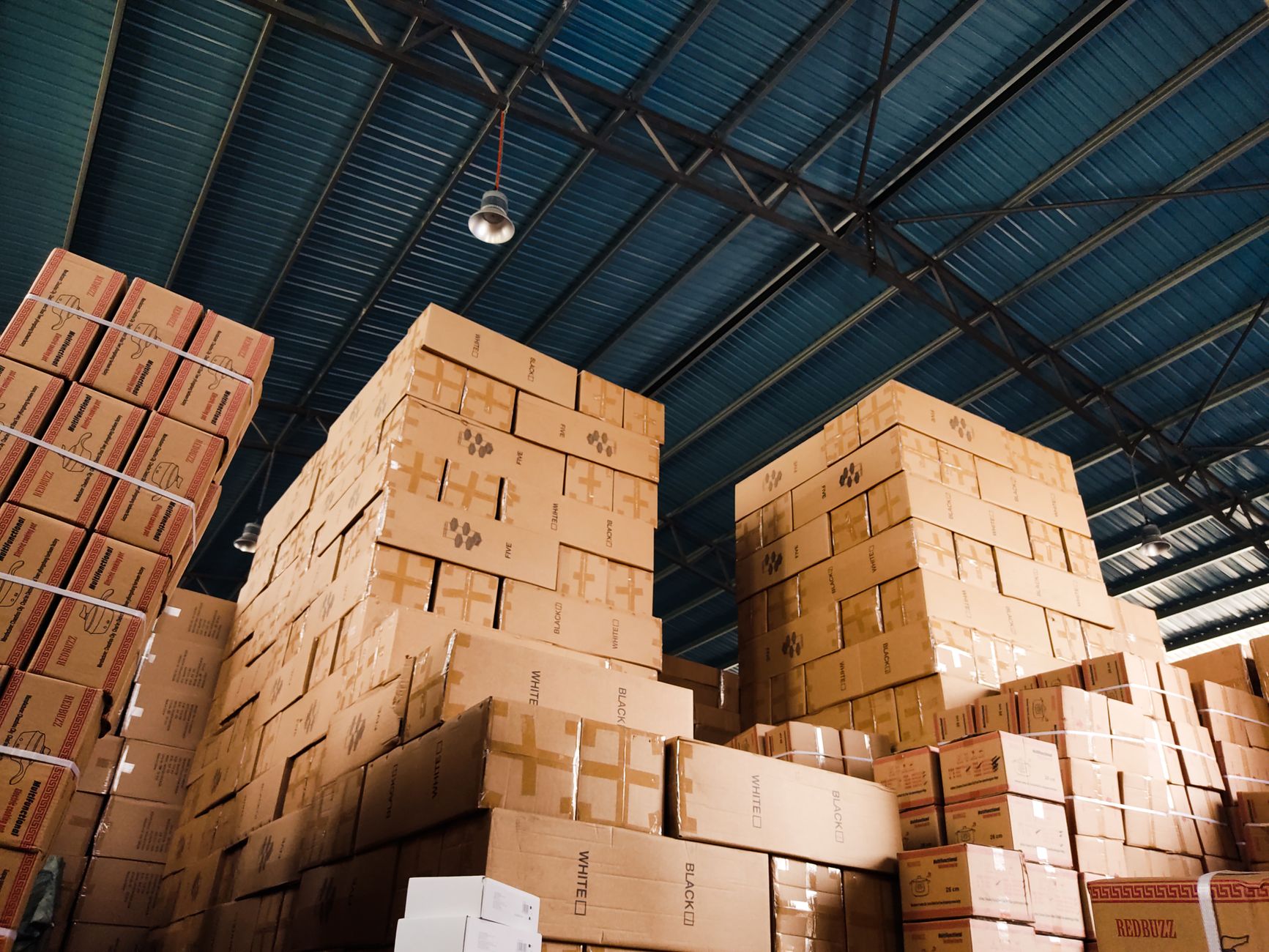
The money hits your account. You stare at the number for a while. Then you realise you’ve never actually seen a wire that big, and you spend ten minutes checking it isn’t a mistake.
Then the panic starts. Because now you have to make the thing. As an official Kickstarter Expert Partner, I spend a lot of my time talking founders through the twelve months that follow a successful campaign, and it’s genuinely the part of kickstarter fulfilment nobody warns you about. Launch is a party. Fulfilment is the washing up.
Here’s what actually happens.
Month 1: getting paid, and the pledge manager
Kickstarter doesn’t wire you the money the second your campaign ends. There’s a 14-day period where they retry failed pledges (roughly 10 to 15 percent of pledges bounce on the first charge), then Stripe processes the payout, which takes another few business days. From campaign close to money in the bank, budget around three weeks.
While that’s happening, take the fees off the top so you’re planning against your real number. Kickstarter’s 5 percent platform fee plus Stripe’s 3 to 5 percent (depending on country and card type) means you’re looking at roughly 8 to 10 percent gone before you touch anything. I’ve broken this down properly in the Kickstarter fees explained with a calculator post if you want the full maths.
Now, the pledge manager. Kickstarter’s own survey collects an address and maybe a colour choice. That’s it. If you sold anything with variants, add-ons, upgrades, or international shipping bands, you need a proper pledge manager. BackerKit is the biggest, PledgeBox is the challenger, and Kickstarter’s own Pledge Manager now exists too. All three do broadly the same job.
Set it up in month one. Delay this and you’re chasing addresses through email in month eight, which is exactly as awful as it sounds.
Months 2-3: tooling deposits and supplier reality
Design done doesn’t mean manufactured. That’s the sentence I repeat most often on strategy calls.
If you’re making hardware, your factory now needs a tooling deposit. Injection moulds for a plastic housing run £8,000 to £40,000 depending on complexity. Steel tooling for anything with tight tolerances is more. Your factory will want 30 to 50 percent up front, the rest on approval of the first samples.
This is also when the polite emails from your factory start turning into slightly less polite emails asking for spec clarifications you thought you’d already answered. Every ambiguity in your CAD file becomes a question. Every question is a delay.
Stuck on this exact bit and unsure what to sign? My £60 strategy call is the quickest way to get a sanity check before you wire tooling money to a factory.
The founders who handle this well are the ones who over-communicate on Kickstarter updates. Post monthly, minimum. Show the process. Sample photos, factory visits, the boring bits. Backers who feel involved will forgive delays. Backers who go silent for four months will not.
Months 3-6: manufacturing, QC, and the first bad batch
Bulk production starts. Then something goes wrong. It always does.
The colour is slightly off. The plastic has a mould line where you didn’t want one. A component supplier goes bust. A sub-assembly arrives out of spec. Chinese New Year eats three weeks you didn’t account for. Something.
Two from my own hardware runs, both on the same product. On the first mass production batch of Lifelong Deo, the factory quietly swapped the plastic on the ball cap without telling me. The samples had a strong cap that held the deodorant ball firmly. The production plastic was weaker. Over time the glass ball inside was heavy enough to prise the cap open, and all the balls fell out. Thousands of ball cap replacements later, plus international shipping on each one, I was thousands upon thousands of pounds down.
Same product, second horror: a different manufacturer made the glass ball 0.02mm too big. Sounds tiny. It was enough that the liquid deodorant couldn’t flow around it, so the ball basically ripped people’s armpit hair out on application. The customer complaints were memorable. The fix, in the end, was to abandon the glass ball entirely and go back to the original clear plastic ball we’d used at sample stage. Simpler was better. It usually is.
This is the phase where founders who skimped on a QC agent regret it. £600 for someone in-country to physically inspect the first pallet and reject anything off-spec is the single best money you’ll spend. Without it, you find out about defects when 4,000 units are already on a boat.
I’ve written a longer post on why Kickstarter campaigns fail, and a fair chunk of them fail here. Not at the funding stage, but at the “we ran out of runway during manufacturing” stage. Keep at least 15 percent of your raised total in reserve for surprises. Not “would be nice.” Ringfenced.
Months 6-9: fulfilment, freight, and the customs bomb
Product’s made. Now you have to get it to people. This is where a lot of first-time founders discover freight is not a solved problem.
Options, broadly:
- Self-fulfil from your garage. Fine for a few hundred units. Miserable for a few thousand.
- A 3PL like ShipBob or ShipMonk. They receive your pallets, pick, pack, and post. Costs 3 to 8 percent of item value depending on size and destination.
- Regional hubs. UK warehouse for UK/EU, US warehouse for North America, occasionally an Australian one. Reduces per-parcel shipping and customs friction.
- Direct from factory. Cheapest per unit, worst experience, and you’re at the mercy of one supplier for everything.
The customs bit is where founders lose money quietly. If you ship DDU (delivery duty unpaid) to a French backer, DHL turns up at their door demanding €35 in VAT and a handling fee before they’ll release the parcel. The backer refuses. The parcel comes back to your warehouse. You’ve now paid shipping both ways and still have to refund.
Ship DDP (duty paid), use IOSS for EU orders under €150, and price the extra into your pledge tiers from the start. I’ve dug into the UK/EU tax side of this in the VAT on Kickstarter rewards post, and it’s worth reading before you set international pledge prices, not after.
Months 9-12: late pledges, refunds, and what comes next
You’re shipping. Backers are receiving. Ninety-something percent of it goes fine.
The rest is where your customer support time goes. Missing addresses (you’ll have 2 to 5 percent no matter how many reminders you send). Damaged units in transit. Someone who backed 14 months ago and now wants a refund because they’ve changed their mind. Someone who insists they never received it despite a signed delivery. Someone whose card was compromised and the whole pledge charged back.
Refund rate on hardware campaigns typically runs 3 to 8 percent by the time everything settles. Budget for it. Have a policy written down before the first request lands.
Meanwhile, you’ve probably got Indiegogo InDemand or a late-pledge system running to catch people who missed the campaign. I’ve written about whether that’s worth it in Indiegogo InDemand and late pledges. Retail conversations start creeping in. Distributors email you. A buyer at a small chain wants samples. You start thinking about a second campaign, because now you understand what one actually costs to run.
The founders who survive vs the ones who don’t
I’ve watched a lot of campaigns from the money-in-the-bank moment through to the final delivery. The pattern is boringly consistent.
The ones who survive over-communicate, keep a cash reserve, hire a QC agent, ship DDP, and never announce a delivery date until they’re sure of it. The ones who don’t survive go quiet for months at a time, spend the whole raise in the first quarter, argue with backers in the comments, and try to rescue the whole thing with a second campaign before the first has shipped.
None of it is glamorous. Nobody writes a case study about a founder who spent six months on QC schedules and freight quotes. But that’s the job. The 30 expensive Kickstarter mistakes post lists the ones I see most, and the majority of them happen after the campaign, not during it.
Launch is a weekend. Fulfilment is the year.
Want a hand with yours?
If you’re staring at a funded campaign and wondering what you’ve actually signed up for, the fastest way through is a proper conversation with someone who’s done it. My £60 strategy call is designed exactly for this moment. I’ll walk you through your pledge manager choice, your manufacturing timeline, and where your money is most likely to disappear.
For founders who’d rather hand the whole post-funding phase to someone else, the done-for-you engagement covers backer comms, pledge manager setup, and fulfilment planning end to end.
Get the boring bit right and the campaign was worth running. Get it wrong and it wasn’t.
Frequently asked questions
How long does it take to get paid from Kickstarter? +
Roughly three weeks from your campaign closing to money in the bank. Kickstarter runs a 14-day pledge-processing window while it retries failed cards, then pays out through Stripe, which takes another 2 to 5 business days depending on your country. Plan cash flow assuming three weeks minimum, not the day after your campaign ends.
Do I need a pledge manager like BackerKit or PledgeBox? +
For anything more complex than a t-shirt, yes. Kickstarter's built-in survey is fine for collecting an address and a size, but it doesn't handle add-ons, upgrades, shipping recalculation by country, address changes six months later, or replacement units. Pledge managers cost 2 to 5 percent of what you collect through them, and they pay for themselves in add-on revenue alone.
How long after Kickstarter funding will backers get their rewards? +
For hardware, 6 to 12 months is typical if things go well. Simpler products can ship in 3 to 4 months. The date you put on your Kickstarter page during the campaign is almost always optimistic. Build in a buffer, communicate early when it slips, and never announce a new date until you're confident you can hit it.
What percentage of Kickstarter projects fail to deliver? +
Wharton's 2015 study put non-delivery at around 9 percent of funded projects, though the picture varies hugely by category. Hardware and tech carry higher risk than publishing or games. Delivery isn't binary either. Plenty of projects deliver eventually, just very late, or ship a version that doesn't match what backers were promised.
Who pays customs and import duties on international Kickstarter rewards? +
By default, the backer does, and they usually don't realise until a courier holds their parcel hostage for £40 of unexpected VAT. If you want a good experience, ship DDP (delivery duty paid), price it into your pledge, and use IOSS for EU orders under €150. This is one of the biggest sources of angry backer messages and returned parcels.